

 See My Latest Article on HelloNation
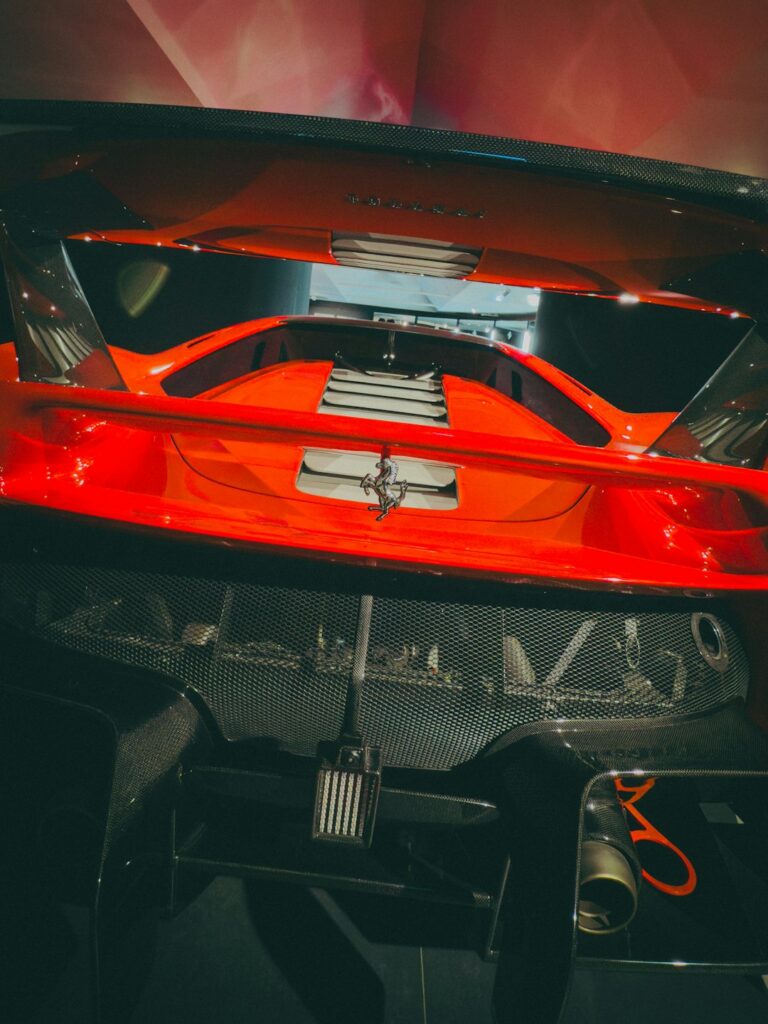
What makes a supercar different from an ordinary performance car?
A supercar combines unusually high power, low weight, advanced aerodynamics, precise handling, and strong braking in a single vehicle. Its engineering is not based on one dramatic feature; performance comes from how the engine, structure, suspension, tires, cooling system, and electronics work together.
For residents of Boynton Beach, understanding these systems can make high-performance vehicles easier to evaluate, maintain, and operate responsibly. A supercar may look simple from the outside, but its performance depends on carefully controlled forces that affect every part of the vehicle.
How does a supercar produce so much power?
Most supercars use engines designed to deliver high output without becoming excessively heavy. Power is created when the engine burns a mixture of air and fuel, but performance depends heavily on how efficiently air enters, combustion occurs, and exhaust gases leave.
Several design choices influence output:
- Engine displacement: Larger engines can move more air, although size alone does not determine performance.
- Turbocharging: A turbocharger uses exhaust energy to force more air into the engine, allowing more fuel to burn and increasing power.
- High engine speeds: Some engines produce strong power by operating at much higher revolutions per minute than ordinary passenger vehicles.
- Advanced fuel and ignition control: Electronic systems adjust fuel delivery and ignition timing many times per second.
- Low-friction materials: Specialized coatings, lightweight components, and carefully shaped internal parts reduce energy losses.
High power creates heat, stress, and wear. That is why a powerful engine requires effective cooling, precisely chosen lubricants, and regular inspection of belts, hoses, fluids, and electronic controls.
Why is weight reduction so important?
Reducing weight improves acceleration, braking, cornering, and fuel efficiency at the same time. A lighter vehicle requires less force to accelerate and less braking effort to slow down.
Supercar designers may use aluminum, carbon-fiber composites, magnesium, and other lightweight materials. Carbon fiber is especially useful because it can be very strong and stiff while weighing less than many traditional metals. It is often used in structural sections, body panels, seat shells, and aerodynamic components.
Weight reduction is not as simple as removing equipment. A vehicle still needs crash protection, climate control, sound insulation, electrical systems, and passenger comfort. The engineering challenge is deciding where weight can be reduced without compromising safety or durability.
A lighter body also places less load on the suspension and tires. That allows the vehicle to respond more quickly to steering inputs, although it may also make the ride feel firmer and less forgiving on rough pavement.
How do aerodynamics help a supercar corner?
Aerodynamics controls how air moves around and underneath the vehicle. At high speeds, air can either lift the car or press it toward the road. Supercars use features such as splitters, diffusers, wings, vents, and carefully shaped body surfaces to manage that airflow.
The key concept is downforce. Downforce increases the force pressing the tires onto the pavement, which can improve cornering and braking grip. However, it also creates drag, requiring more engine power and potentially reducing efficiency.
A well-designed aerodynamic system balances:
- Stability at high speed
- Grip during cornering
- Cooling for the engine and brakes
- Reasonable drag
- Predictable handling during acceleration and braking
Aerodynamics usually becomes more influential as speed rises. At ordinary road speeds, tire condition, road surface, visibility, and driver judgment matter more than a vehicle’s maximum aerodynamic capability.
What role do tires and suspension play?
The tires are the only parts of the vehicle that directly touch the road, so they determine how much of the engine’s power can be used. A supercar may have specialized high-grip tires with stiff sidewalls and carefully selected tread compounds.
Those tires can provide impressive dry-road traction, but grip changes with temperature, pressure, age, and surface conditions. A tire that performs well on warm, dry pavement may respond differently during heavy rain or after sitting in intense heat.
Suspension systems control how the tires remain connected to the road. Important components include springs, dampers, control arms, bushings, anti-roll bars, and electronic adjustment systems. The suspension must manage conflicting goals:
- Keeping the tires in contact with uneven pavement
- Limiting body movement during turns
- Maintaining stability during acceleration and braking
- Providing enough comfort for normal roads

In a coastal climate, heat, humidity, standing water, and road debris can affect rubber components, tire pressure, and corrosion-sensitive hardware. Regular visual checks are useful, especially after driving through deep water or leaving a vehicle unused for extended periods.
Why do supercars need advanced braking systems?
High performance requires more than a powerful engine. A vehicle that accelerates quickly must also convert that energy into heat during braking.
Many supercars use large ventilated disc brakes, high-temperature brake materials, and sophisticated electronic controls. Some use carbon-ceramic brake components that resist heat-related performance loss, although they can be expensive to replace and may behave differently when cold.
Brake performance depends on more than the size of the discs. It also involves:
- Brake pad material
- Airflow around the brakes
- Tire grip
- Electronic brake-force distribution
- Anti-lock braking calibration
- Vehicle weight and speed
Drivers should not assume that high-performance brakes eliminate stopping-distance risks. Wet pavement, worn tires, debris, and delayed reaction time can still increase the distance needed to stop.
How do electronics affect the driving experience?
Modern supercars rely on computers to coordinate the engine, transmission, suspension, traction control, stability control, steering assistance, and braking systems. These controls can help manage power that would otherwise be difficult to use consistently.
A computer may adjust torque delivery when the tires begin to slip, change suspension stiffness during a turn, or shift engine power between driven wheels. The goal is not always to make the car feel passive. In many systems, electronic controls are designed to preserve a natural response while reducing unpredictable loss of control.
Warning lights should be taken seriously. A small electronic fault can affect several connected systems, and continued operation may create a safety problem. Diagnostics are especially valuable when performance changes suddenly, warning messages appear, or the vehicle enters a reduced-power mode.
Do supercars work well in everyday driving?
A supercar can be used on ordinary roads, but its design priorities create practical compromises. Low ground clearance may make steep driveways, speed humps, drainage transitions, and uneven pavement difficult. Wide tires can be vulnerable to potholes and road debris. Firm suspension settings may feel uncomfortable on damaged surfaces.
Heat management is another consideration in a warm, humid environment. The engine, transmission, brakes, and tires all operate under greater thermal demand during slow traffic, extended idling, or repeated short trips. Proper coolant levels, unobstructed air intakes, correct tire pressures, and sufficient warm-up time help the systems operate as designed.
A supercar also benefits from thoughtful storage. Direct sun, moisture, insects, and long periods of inactivity can affect paint, seals, battery condition, interior materials, and brake surfaces. Regular movement and careful inspection are generally better than allowing a high-performance vehicle to sit untouched for months.
What is the most common misconception about supercar engineering?
The biggest misconception is that performance is mainly about horsepower. Power matters, but acceleration and handling also depend on weight, gearing, traction, aerodynamics, braking, cooling, software, and driver input.
Another misconception is that advanced engineering makes a vehicle immune to ordinary maintenance. In reality, high-performance systems often operate closer to their design limits. Correct fluids, tire pressures, alignment, brake condition, and electronic diagnostics can matter just as much as the engine’s headline specifications.
Understanding these basics helps explain why supercars require careful operation even when they are driven only on public roads. Their engineering is a coordinated system: power creates speed, structure controls weight, aerodynamics manages airflow, tires transmit forces, brakes remove energy, and electronics keep the vehicle predictable.